Source Wet Wipe Production Equipment for Food, Cosmetics, and Cleaning
Explore 30 wet wipe production equipment options for manufacturing wet tissues, filling bottles, and sealing various consumer goods. Compare specifications, speeds, and certifications to find the right machinery for your production needs; compare the available evidence and request quotations based on your requirements.
Key considerations
Products List


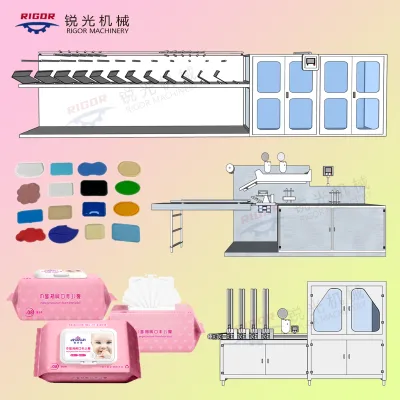


Comprehensive Sourcing Guide
Wet Wipe Production Equipment Sourcing Guide
Selecting the right wet wipe production equipment requires a clear understanding of the specific manufacturing processes involved, from tissue forming to final packaging. Buyers must evaluate whether their operational needs align with automatic, multi-function machines capable of handling various tissue types, including wet tissues that require precise embossing and sealing. The decision often hinges on the desired output speed, the type of packaging material, and the flexibility to customize the machine for different product formats.
Procurement teams should also consider the physical footprint and power requirements of the equipment, as these factors directly impact factory layout and utility costs. With models ranging from compact units to large-scale industrial systems, it is essential to verify voltage specifications, power consumption, and machine dimensions before finalizing a purchase. This ensures that the selected equipment integrates seamlessly into existing production lines without requiring extensive facility modifications or additional infrastructure investments.
Product Scope and Observed Listing Signals
The current market for wet wipe production equipment features a diverse range of models, such as the WL100, PPD-SJ5, and QT-260, each designed for specific production capacities and packaging styles. Listings indicate that these machines are typically new, automatic, and driven by mechanical systems, with forming functions that support bag molding and three-side sealing techniques. Buyers should observe that packaging materials vary, including plastic films and non-woven fabrics, with widths ranging from 100mm to 350mm, allowing for versatile product configurations.
Observed listing signals also highlight significant variations in production speed, with some models capable of producing 35 to 70 bags per minute, while others operate at speeds up to 300 bags per minute. The equipment is often described as having full-embossing capabilities using felt rollers, which enhances the tactile quality of the final product. Additionally, the origin of these machines is predominantly China, with specific mentions of Shandong as a manufacturing hub, providing buyers with a clear geographic context for sourcing decisions.
Technical Specifications to Verify
When evaluating technical specifications, buyers must prioritize the machine’s forming species and packaging compatibility to ensure it meets their product design requirements. It is crucial to verify the width of the non-woven fabric and packaging film, as these dimensions dictate the size and shape of the final wet wipe packages. Models like the PPD-MDWW and HT-SJ300 offer specific width ranges, and confirming these parameters prevents mismatches between the machine’s capabilities and the buyer’s raw material supply chain.
Power and weight specifications are equally important for logistical planning and operational efficiency. Buyers should check the voltage requirements, which are commonly listed as 220V with 50/60Hz frequency, and ensure that the machine’s power consumption, ranging from 2.3kw to 5.5kw, aligns with their facility’s electrical capacity. Furthermore, verifying the machine’s physical dimensions and weight, such as 800kg for certain models, is essential for determining the necessary floor space and handling equipment required for installation and maintenance.
Compliance and Safety Documentation
Compliance with international standards is a critical factor in sourcing wet wipe production equipment, particularly when exporting to regulated markets. Buyers should verify that the machinery carries recognized certifications such as CE, SGS, and ROHS, which indicate adherence to safety and environmental regulations. These certifications are often listed as part of the product standard, providing assurance that the equipment meets the necessary legal requirements for operation in various jurisdictions.
In addition to certifications, buyers must ensure that the machine’s operational standards align with industry best practices for hygiene and safety. This includes verifying that the automatic control systems function reliably to minimize human error and contamination risks during the production process. Documentation should also confirm that the machine’s design facilitates easy cleaning and maintenance, which is vital for maintaining product quality and complying with food-grade or cosmetic-grade manufacturing standards.
Cost Drivers and Commercial Terms
The cost of wet wipe production equipment is influenced by several factors, including the machine’s automation level, production speed, and customization options. High-speed models with advanced automatic controls and multi-function capabilities typically command higher prices, reflecting their increased efficiency and versatility. Buyers should also consider the cost of customization, as many suppliers offer tailored solutions to meet specific production needs, which can add to the initial investment.
Commercial terms such as minimum order quantity (MOQ) and packaging methods also impact the overall procurement cost. While some listings indicate an MOQ of just one unit, others may have different requirements depending on the model and supplier. Additionally, the packaging method, whether it be seaworthy packing, plywood cases, or fumigation-free wooden boxes, affects shipping costs and insurance premiums. Buyers should negotiate these terms carefully to ensure that the total landed cost aligns with their budget constraints.
Supplier Qualification and Quality Control
Supplier qualification is a vital step in ensuring the reliability and longevity of wet wipe production equipment. Buyers should assess the supplier’s manufacturing capabilities, including their facility size, production capacity, and quality control processes. Suppliers based in regions like Shandong, China, often have established reputations for producing industrial machinery, but buyers must still verify their track record and customer feedback to ensure consistent quality.
Quality control measures should extend beyond the initial purchase to include post-sale support and maintenance services. Buyers should inquire about the availability of spare parts, technical support, and training for their operational staff. A qualified supplier will provide comprehensive documentation, including user manuals and maintenance schedules, to help buyers maximize the equipment’s performance and minimize downtime. This proactive approach to supplier qualification helps mitigate risks and ensures a smoother procurement experience.
Long-Term Procurement Checks
Long-term procurement success depends on the ability to adapt to changing market demands and technological advancements. Buyers should regularly review their production requirements and compare them with the capabilities of their existing equipment to identify potential upgrades or replacements. This includes monitoring trends in packaging materials, such as the shift towards more sustainable or biodegradable options, and ensuring that the machinery can accommodate these changes.
Additionally, buyers should establish a routine maintenance schedule and track the performance metrics of their wet wipe production equipment. This includes monitoring production speed, defect rates, and energy consumption to identify any deviations from expected performance. By maintaining detailed records and conducting regular audits, buyers can proactively address issues before they impact production, ensuring that their investment continues to deliver value over the long term.
FAQs
What packaging types can wet wipe production equipment handle?
The listed equipment handles bag packaging, with some machines also supporting box packing and plastic film packaging for wet tissue products. Bag moulding and three-side seal forming are available on certain models. Buyers should confirm the exact packaging format, film width range of 120-260mm or 120-220mm, and seaworthy or plywood case packing options with each supplier before ordering.
How fast do these wet wipe machines produce finished packs?
Production speed varies by model: some packaging machines run at 35-70 bags per minute, others at 30-300 bags per minute, and one listed capacity range is 40-120 bags per minute. Actual output depends on pack size, film width, and product type. Buyers should match the speed rating to their expected daily volume and confirm performance under their specific wet wipe format.
Can wet wipe production equipment be customized to specific requirements?
Yes, customization is available on the listed machines, and one model is listed under a customized standard. Buyers can typically specify parameters such as non-woven fabric width of 100-350mm, packaging film width, and embossing configuration using a felt roller. Confirm customization scope, expected lead time, and any additional cost directly with the supplier before placing an order.
Which certifications should I check before importing wet wipe machines?
CE certification is listed on the products, and one model shows CE, SGS, and ROHS. Certification documentation helps with import compliance and quality assurance, but requirements vary by destination market. Buyers should request current certificates, verify scope covers the specific model such as WL100, QT-260, PPD-SJ5, PPD-MDWW, or HT-SJ300, and confirm any additional approvals needed locally.
How are wet wipe machines packed and shipped from China?
The listed machines originate from China, including Shandong, and use seaworthy packing, plywood cases, wooden crates, or fumigation-free wooden box packaging. Packing case dimensions for one machine are 1800X1000X2000mm. Buyers should confirm the packing method, container fit, and shipping terms with the supplier, since heavy units around 600-800kg may affect freight planning and handling requirements.
What electrical specifications do these wet wipe machines require?
The listed equipment operates at 220V, 50/60Hz, with power ratings around 2.3kw to 5.5kw depending on the model. Buyers should verify their facility voltage compatibility and consider a transformer if local supply differs. Machine sizes such as 1600X700X1700mm or 3300X1200X1600mm should also be checked against available production floor space and installation access.